
Duration : 13 Nights / 14 Days
Destination Covered : Lukla, Solukhumbu, Phakding, Namche Bazaar
Tour Activities : Trekking
Tour Themes : Adventure Tours, Hill Stations & Valleys
Price on Request
Lukla, Solukhumbu and Phakding Tour Overview
Highlights of the Tour
Scenic Kathmandu - Lukla - Kathmandu flight
Highest glacier on Earth- Khumbu Glacier (4900m/ 16,075ft)
Prayer wheels, colorful flags, mani stones, high suspension bridges
Explore UNESCO world heritage site - Sagarmatha National Park
Mt. Everest (8848m/29,029ft)
The largest monastery in the Khumbu region - Tengboche Monastery
Sherpa culture and lifestyle
One of the world's highest airports in Syangboche (3780m / 12,400ft)
Stunning panoramic views of mountains from Kalapatthar (5,555m)
13 Nights/ 14 Days
Max People : 30
EVEREST REGION
Standing at Everest Base Camp with a hot shower waiting at your lodge and a gourmet dinner on the table is a different experience than collapsing into a shared dormitory with a cold bucket of water. The luxury version of this classic trek replaces the rough edges of high-altitude travel with heated rooms, private bathrooms, and Sherpa guides who adjust the pace to your body rather than a fixed schedule.
This guide covers the complete 14-day itinerary, what separates luxury lodges from standard teahouses, realistic cost expectations, and the practical details that determine whether you reach 5,364 meters with energy to spare or struggle through the final push.
Luxury Everest Base Camp Trek Highlights
Cost: USD 3,500 to USD 5,500 per person, including boutique lodge accommodations, gourmet meals, and optional helicopter transfers
Private Rooms: En suite bathrooms, heated common areas, and professionally prepared cuisine at every overnight stop—no shared dormitories or squat toilets
Hot Showers at 5,364 Meters: Warm water after eight hours on the trail, a luxury that redefines comfort at high altitude
Warm Beds in Private Rooms: No crowded bunkhouses—just a comfortable space to recover each night
Flexible Pacing: Guides adjust the itinerary based on how your body responds to altitude rather than rushing to meet a fixed schedule
Private Helicopter Transfers and Scenic Mountain Flights
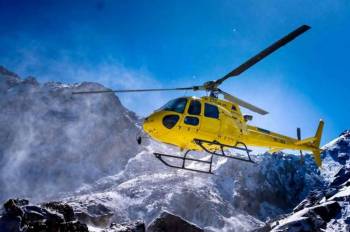
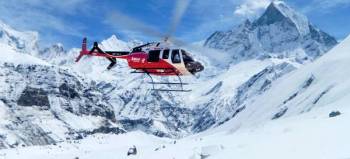
The flight from Kathmandu to Lukla is famous for its short runway carved into a mountainside. On the luxury trek, you can upgrade this flight to a private helicopter, which offers unobstructed aerial views of the Khumbu region and eliminates the uncertainty of weather-delayed fixed-wing flights.
Helicopter transfers also work as a return option from Gorak Shep or Lukla. This cuts days off the descent for trekkers who prefer to spend their energy on the climb up rather than retracing their steps down.
Premium Boutique Lodges Across the Khumbu Region
The Everest region now features several boutique lodge chains, including Yeti Mountain Home and Everest Summit Lodges. At lower elevations like Phakding and Namche Bazaar, the lodge experience rivals mid-range hotels with heated rooms, Western-style bathrooms, and dining rooms with panoramic mountain views.
Above Dingboche, options become more limited due to the remoteness and harsh conditions. However, the luxury itinerary still secures the warmest, cleanest accommodations available at each stop.
Kala Patthar Sunrise Over Mount Everest
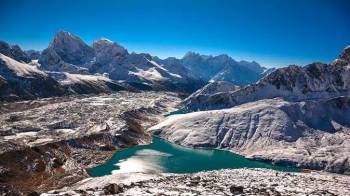
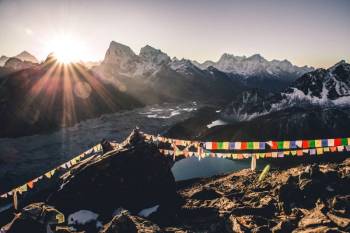
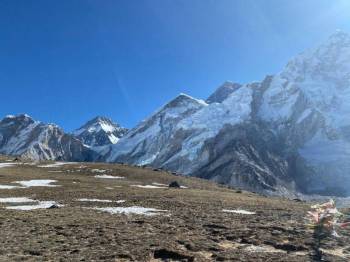
The pre-dawn hike to Kala Patthar at 5,545 meters is the panoramic highlight of the entire trek. From this rocky outcrop, you stand face-to-face with Everest’s southwest face while Lhotse, Nuptse, and Pumori complete the amphitheater around you.
Most trekkers describe this sunrise as the single most memorable moment of their Himalayan experience. The luxury itinerary builds in adequate rest the night before so you arrive at the summit viewpoint with energy to spare.
Tengboche Monastery and Sherpa Cultural Immersion
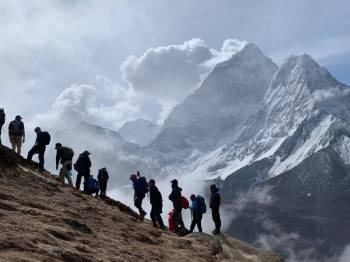
Tengboche Monastery sits at 3,867 meters on a forested ridge with Ama Dablam towering behind it. This is the spiritual heart of the Khumbu, and the luxury trek includes time to observe Buddhist rituals and learn about Sherpa traditions from local guides.
The monastery was rebuilt after a 1989 fire and remains an active religious site. Visiting during morning or evening prayers offers a window into the daily spiritual practice that has sustained Sherpa communities for centuries.
What Makes the Everest Base Camp Trek a Luxury Experience
The word “luxury” carries different weight at sea level than it does at 5,000 meters. In the Khumbu, luxury means comfort, safety, and personalized service in an environment where basic amenities are hard-won. Standard teahouse treks involve shared rooms, cold showers (or no showers), and meals that vary widely in quality. The luxury trek eliminates these variables.
Boutique Lodges With Heated Rooms and En Suite Bathrooms
At properties like Yeti Mountain Home in Namche and Phakding, rooms feature private bathrooms with hot water, heated floors or radiators, and comfortable bedding. Common areas include lounges with mountain views, libraries, and dining rooms where meals are served at individual tables rather than communal benches.
Above Dingboche, full luxury amenities become scarce. However, the luxury itinerary still secures the warmest and cleanest options available at Lobuche and Gorak Shep.
Gourmet Meals and Safe Filtered Drinking Water
Meals on the luxury trek are prepared fresh with varied menus that accommodate dietary restrictions. Expect options beyond the standard dal bhat and noodle soup, including Western-style breakfasts, fresh vegetables, and properly prepared proteins.
Safe drinking water is provided throughout the trek, either filtered or boiled. This eliminates the need to purchase plastic bottles or rely on purification tablets.
Expert Sherpa Guides and Personalized Trail Support
Luxury treks operate with smaller group sizes and higher guide-to-trekker ratios. Your Sherpa guide is certified, English-speaking, and trained in altitude sickness recognition. Porters carry your main luggage, so you walk with only a daypack.
The pace is flexible. If you want to spend an extra hour at Tengboche Monastery or take a slower approach to the Kala Patthar climb, the itinerary adjusts to you.
Optional Helicopter Upgrades and Flexible Logistics
Weather delays at Lukla are common, especially during peak season. The luxury trek includes contingency planning for delays, with options to fly from the alternate Ramechhap airport or arrange a helicopter transfer.
Best Time for the Luxury Everest Base Camp Trek
Spring Season From March to May
Temperatures warm through the season, and rhododendron forests bloom with color at lower elevations. Daylight hours are longer, and the trail becomes increasingly busy as the season progresses. This is also the primary mountaineering season, so Base Camp is active with expedition teams.
Autumn Season From September to November
Clear skies and stable weather make autumn the best time for the Everest Base Camp trek. Visibility is excellent, and temperatures are comfortable during the day. October and November see the highest trekker numbers, so booking early is advisable.
14 Day Luxury Everest Base Camp Trek Itinerary
The following day-by-day breakdown covers the standard luxury itinerary. Actual walking times vary based on pace, weather, and acclimatization.
Day 1 Arrival in Kathmandu and Hotel Transfer
You arrive at Tribhuvan International Airport, where a representative meets you and transfers you to a luxury hotel in Kathmandu. The evening includes a trip briefing and gear check.
Day 2 Fly to Lukla and Trek to Phakding
The early morning flight to Lukla takes approximately 35 minutes and offers your first aerial views of the Himalayan range. From Lukla, a short trek through Sherpa villages brings you to Phakding, where you spend the first night at a comfortable lodge along the Dudh Koshi River.
Day 3 Trek From Phakding to Namche Bazaar
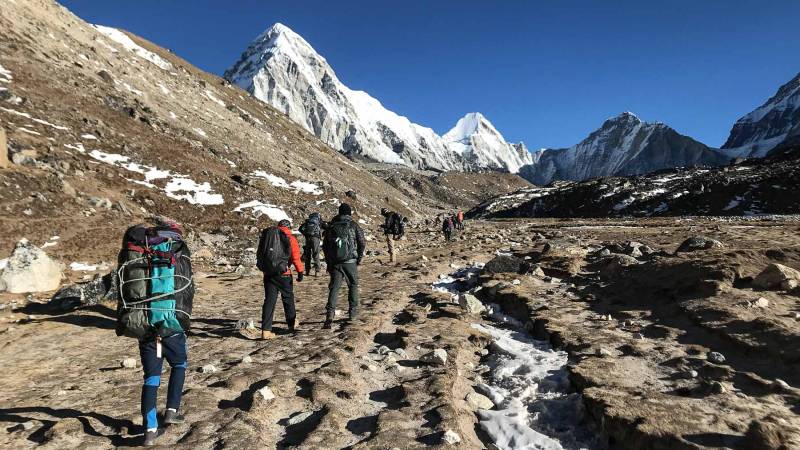
This is the first full trekking day, following the river valley through forests and across suspension bridges. The trail climbs steeply after the confluence of the Dudh Koshi and Bhote Koshi rivers, and you catch your first glimpse of Everest before arriving at Namche Bazaar.
Day 4 Acclimatization Day at Namche Bazaar
Acclimatization days are essential for preventing altitude sickness. You might hike to the Everest View Hotel for panoramic views, explore Namche’s markets and bakeries, or simply rest at the lodge. The “climb high, sleep low” principle applies here: a short hike to higher elevation followed by a return to Namche helps your body adjust.
Day 5 Trek From Namche to Tengboche and Deboche
The trail passes through rhododendron forests with views of Ama Dablam, Everest, and Lhotse. You visit Tengboche Monastery before continuing to Deboche, where the luxury lodge sits in a quieter setting below the monastery.
Day 6 Trek From Deboche to Dingboche
You enter the higher alpine zone as the trail climbs above the tree line. The village of Pangboche offers views of Ama Dablam’s dramatic south face. Dingboche sits in the Imja Valley with Island Peak visible to the east.
Day 7 Acclimatization Day at Dingboche With Chukkung Hike
The second acclimatization day includes an optional hike toward Chukkung Valley, which offers close-up views of the Lhotse wall and surrounding peaks. You return to Dingboche for rest and an early dinner.
Day 8 Trek From Dingboche to Lobuche
The trail crosses the Thukla Pass, where memorial stupas honor climbers who lost their lives on Everest and surrounding peaks. Lobuche is the last village before Gorak Shep, and accommodations here are more basic than at lower elevations.
Day 9 Trek to Everest Base Camp and Back to Gorak Shep
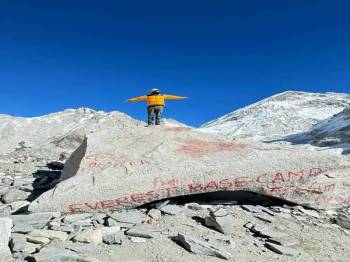
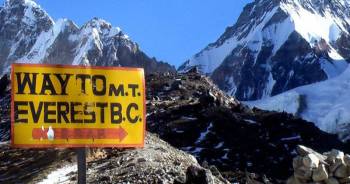
This is the climax of the trek. You reach Everest Base Camp at 5,364 meters, standing at the foot of the Khumbu Icefall where expedition teams begin their summit attempts. The return to Gorak Shep takes approximately two hours.
Day 10 Sunrise Hike to Kala Patthar and Descend to Pheriche
You wake before dawn for the hike to Kala Patthar, the highest point of the trek at 5,545 meters. The sunrise panorama includes Everest, Lhotse, Nuptse, and Pumori. After descending to Gorak Shep for breakfast, you continue down to Pheriche, losing significant altitude for better rest.
Day 11 Trek From Pheriche to Namche Bazaar
A long descent through familiar terrain brings you back to Namche Bazaar. The lower altitude and thicker air make breathing noticeably easier. You celebrate progress with a final night at Namche’s best lodge.
Day 12 Trek From Namche Bazaar to Lukla
The final trekking day retraces the route to Lukla. A farewell dinner with guides and porters marks the end of the trail portion of the journey.
Day 13 Fly From Lukla to Kathmandu
The morning flight returns you to Kathmandu, weather permitting. The afternoon is free for shopping, sightseeing, or rest.
Day 14 Final Departure From Tribhuvan International Airport
Airport transfer for your international departure. You can also extend your stay in Kathmandu or add other experiences.
Luxury Everest Base Camp Trek Difficulty and Fitness Requirements
The Everest Base Camp trek is rated moderate to challenging. It does not require technical climbing skills, but it does demand cardiovascular endurance and mental resilience.
Cardiovascular Endurance: Regular hiking, running, or cycling in the months before departure
Leg Strength: Stair climbing, squats, and lunges to prepare for ascents and descents
Mental Preparation: Long trekking days require patience and determination
No Technical Skills Required: This is a walking trek, not a climb
The luxury itinerary includes two acclimatization days and maintains a moderate pace, which makes the trek accessible to fit beginners who follow a structured training plan. However, prior hiking experience at altitude is helpful.
Altitude Sickness and Acclimatization on the Everest Base Camp Trek
Acute Mountain Sickness (AMS) is a risk on any trek above 2,500 meters. The 14-day luxury itinerary includes two dedicated acclimatization days to reduce this risk.
Symptoms to watch for include:
Mild Symptoms: Headache, fatigue, loss of appetite, difficulty sleeping
Moderate Symptoms: Persistent headache, nausea, shortness of breath at rest
Severe Symptoms: Confusion, loss of coordination, fluid in lungs (requires immediate descent)
Guides carry pulse oximeters and are trained to recognize AMS symptoms. The “climb high, sleep low” principle is applied on acclimatization days, where you hike to higher elevation and return to sleep at a lower altitude.
Permits and Lukla Flight Logistics for the EBC Trek
Two permits are required for the Everest Base Camp trek: the Sagarmatha National Park Permit and the Trekkers’ Information Management System (TIMS) card. Both are included in the package and arranged before departure.
The Lukla flight is weather-dependent. Morning fog or afternoon clouds can delay or cancel flights, sometimes for multiple days. The luxury itinerary includes buffer time for delays, and alternative options include flying from Ramechhap or arranging a helicopter transfer.
Helicopter Return Upgrade for the Luxury Everest Base Camp Trek
For trekkers who prefer to save their energy for the ascent, a helicopter return from Gorak Shep or Lukla to Kathmandu is available as an optional upgrade. The flight takes approximately one hour and offers aerial views of the entire Khumbu region.
Packing Essentials for the Luxury Everest Base Camp Trek
Porters carry your main luggage, so you trek with only a daypack. Gear can be rented or purchased in Kathmandu if needed.
Clothing and Layering Essentials
Moisture-wicking base layers (2 sets)
Insulating fleece or down mid-layer
Waterproof and windproof outer shell
Warm down jacket for high camps and evenings
Footwear and Trekking Gear
Broken-in trekking boots with ankle support
Warm hiking socks (3-4 pairs)
Trekking poles (highly recommended for knee protection)
Camp shoes or sandals for lodges
Personal Items and Travel Documents
Passport and travel insurance documents
Cash for personal expenses and tips
Sunscreen, sunglasses, and lip balm with SPF
Headlamp with spare batteries
Reusable water bottle
Book the Luxury Everest Base Camp Trek With Wilder Way Trekking
Wilder Way Trekking is a Nepal-based operator with government registration and a 5.0/5.0 rating from travelers. The team handles every detail, from luxury lodge reservations to expert Sherpa guides, so you can focus on the experience rather than the logistics.
Lukla, Solukhumbu and Phakding Tour Itinerary
Standard room, attached bathroom, hot shower, unlimited boiled & filtered drinking water, electric blanket, bathroom slippers, hair dryer on request, free wifi and charging access.
Overnight stay at Yeti Mountain Home
Included standard meals (Breakfast+ Lunch+ Dinner)
Welcome drinks on arrival, standard room, attached bathroom, hot shower, unlimited boiled & filtered drinking water, electric blanket, bathroom slippers, hair dryer on request, free wifi and charging access.
Overnight stay at Yeti Mountain Home
Included standard meals (Breakfast+ Lunch+ Dinner)
Welcome drinks on arrival, standard room, attached bathroom, hot shower, unlimited boiled & filtered drinking water, electric blanket, bathroom slippers, hair dryer on request, free wifi and charging access.
Trek Distance 9.2km / 5.7miles
Highest Altitude 3,855m / 12,850ft
Trek Duration 5 hours
Overnight stay at Rivendell Lodge
Included standard meals (Breakfast+ Lunch+ Dinner)
Itinerary Facts
Trek Distance 12km / 7.45miles
Highest Altitude 4,360m / 14,290ft
Trek Duration 5 hours
Overnight stay in Good Luck Hotel
Included standard meals (Breakfast+ Lunch+ Dinner)
Overnight stay at Good Luck Hotel
Included standard meals (Breakfast+ Lunch+ Dinner)
Trek Distance 8.5km / 5.2miles
Highest Altitude 4,930m / 16,175ft
Trek Duration 5 hours
Overnight stay at Eco Lodge
Included standard meals (Breakfast+ Lunch+ Dinner)
Trek Distance 15km / 9.32miles
Highest Altitude 5,364m / 17,598ft
Trek Duration 6-8 hours
Overnight stay at Everest Inn
Included standard meals (Breakfast+ Lunch+ Dinner)
Trek Distance 9.6km / 6miles
Highest Altitude 5,555m / 18,208ft
Trek Duration 5 hours
Overnight stay at Himalayan Hotel
Included standard meals (Breakfast+ Lunch+ Dinner)
Trek Distance 8.5km / 5.2miles
Highest Altitude 4,250m / 13,945ft
Trek Duration 4-5 hours
Overnight stay at Rivendell Lodge
Included standard meals (Breakfast+ Lunch+ Dinner)
Trek Distance 9.2km / 5.7miles
Highest Altitude 3,855m / 12,850ft
Trek Duration 5 hours
Overnight stay at Yeti Mountain Home
Included standard meals (Breakfast+ Lunch+ Dinner)
Trek Distance 7.4km / 4.5miles
Highest Altitude 3,440m / 11,285ft
Trek Duration 4-5 hours
Overnight stay at Yeti Mountain Home
Included standard meals (Breakfast+ Lunch+ Dinner)
Welcome drinks on arrival, standard room, attached bathroom, hot shower, unlimited boiled & filtered drinking water, electric blanket, bathroom slippers, hair dryer on request, free wifi and charging access.
Trek Distance 6.2km / 3.8miles
Highest Altitude 2,850m / 9,350ft
Trek Duration 3-4 hours
Overnight stay at Yeti Mountain Home
Included standard meals (Breakfast+ Lunch+ Dinner)
Welcome drinks on arrival, standard room, attached bathroom, hot shower, unlimited boiled & filtered drinking water, electric blanket, bathroom slippers, hair dryer on request, free wifi and charging access.
Flight Hours 40/20 minutes
Included standard meal (Breakfast)
More Details about Lukla, Solukhumbu and Phakding Tour
Inclusions
- Hotel
- Kathmandu – Lukla – Kathmandu flight and airport departure taxes.
- Accommodations (Total: 13 nights) - Six nights of luxury accommodation at Yeti Mountain Home at Lukla, Phakding (2N), and Namche(3N), Seven nights of standard accommodation at Tengboche (2N), Dingboche(2N), Lobuche, Gorakshep, and Pheriche (Twin Sharing Room).
- Meals: seven breakfasts, six dinners, and two lunches at Yeti Mountain Home. One lunch at Hotel Everest View Hotel. Ten lunches, seven dinners, and seven breakfasts at standard lodges during the trek.
- Government licensed experienced trek leader/ guide. One assistant guide for a group of 12 or more. A porter for every two trekkers.
- Guides and porters' costs, their meals, insurance, salary, lodging, transportation, and other necessary costs.
- Sagarmatha National Park entry permit fee.
- Khumbu Pashang Lhamu Rural Municipality fees.
- Snacks (cookies) and seasonal fresh fruits every day.
- All government and local taxes and other official expenses.
- Rescue operations arrangements in case of complicated health conditions (funded by travel insurance).
- Souvenirs - company t-shirt & cap.
- Wilder Way Trekking trek achievement certificate.
- Farewell dinner at Kathmandu after trek completion.
Exclusions
- International flight airfare
- Nepal entry visa fees
- Excess luggage charges (limit is 9kg per person)
- Accommodation and three meals (breakfast, meal, and dinner) in Kathmandu
- Extra accommodations in Kathmandu due to early arrival, late departure, or early return from the trek
- Personal expenses - shopping, snacks, alcoholic, hot (tea/coffee) or cold drinks, bottle or boiled water, shower, Wi-Fi, laundry, telephone call, battery re-charge fee, extra porters, etc.
- Travel insurance, which has to cover emergency high-altitude rescue and evacuation (compulsory).
- Tips for guide and porters.
- Additional costs due to delays caused by circumstances out of our control, for example - landslides, unfavorable weather, itinerary modification due to safety concerns, illness, changes in government policies, strikes, etc
- All the costs and expenses not listed in "What is included?" above
Payments Terms
- * 20% Advance Percentage of total booking amount
Cancellation & Refund Policy
- * Upon cancellation, refund will be made after deducting the Retention Amount.
Packages by Theme
Similar Tour Packages for Lukla, Solukhumbu
-
4 Nights / 5 Days
-
14 Nights / 15 Days
-
16 Nights / 17 Days
-
14 Nights / 15 Days
-
10 Nights / 11 Days
-
12 Nights / 13 Days
-
9 Nights / 10 Days
-
15 Nights / 16 Days
-
9 Nights / 10 Days
-
13 Nights / 14 Days
-
13 Nights / 14 Days