
Duration : 9 Nights / 10 Days
Destination Covered : Lukla, Everest Base Camp Trek, Namche Bazaar, Tengboche Monastery
Tour Activities : Trekking
Tour Themes : Adventure Tours, Hill Stations & Valleys, Religious & Pilgrimage
Price on Request
Lukla, Everest Base Camp Trek and Namche Bazaar Tour Overview
Highlights of the Tour
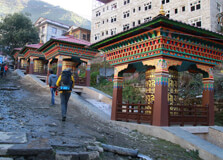
Sherpa culture, their lifestyles, and peaceful monasteries -including the Tengboche monastery.
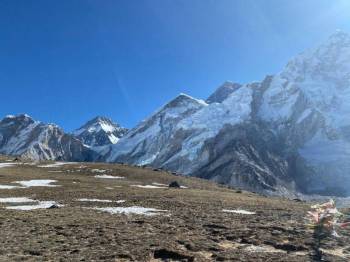
Breath-taking views of the world’s highest peak, Mt. Everest (8,848m).
Other peaks Mt. Lhotse (8,516m), Mt. Makalu (8,463m), and Cho Yu (8,201m)
Wide range of high-land flora and fauna.
Stunning Khumbu Glacier
Wildlife like snow leopards, musk deer and Himalayan Monal
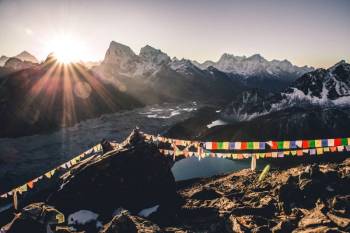
Panoramic view from Kala Pathar (5,555m)
One of the world’s highest airport at Syanboche
The ancient monastery in Tengboche
9 Nights/ 10 Days
Max People : 30
EVEREST REGION
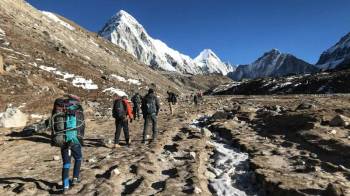
The 10-day Everest Base Camp short trek condenses the classic Himalayan adventure into a rapid, high-intensity route that gets you to the foot of the world’s highest peak without the extra rest days. The standard EBC trek takes 12 to 14 days and includes dedicated acclimatization stops at Namche Bazaar and Dingboche. This compressed version removes those pauses, which means you cover the same iconic trailLukla to Namche to Tengboche to Base Campbut your body has less time to adjust to the thinning air.
Trip Detail Information
Duration 9 Nights / 10 Days
Region Everest / Khumbu
Max Elevation Kala Patthar (5,545m)
Difficulty Strenuous
Starting From $1,100 USD
Pricing TAXES INCL/PERS
You still stand at 5,364 meters. You still watch sunrise paint Everest gold from Kala Patthar. You still walk through Sherpa villages beneath peaks that have drawn adventurers for decades. The difference is paceand the physical demands that come with it.
Why Choose the 10 Day Everest Base Camp Short Trek Over the Classic Route
The primary difference between this itinerary and the classic route comes down to acclimatization days. On the standard trek, you spend a full rest day in Namche Bazaar at 3,440 meters and another in Dingboche at 4,410 meters. Your body uses those days to produce more red blood cells and adjust to reduced oxygen. The 10-day version skips those pauses entirely.
This approach works well for certain trekkers:
Limited vacation time: Working professionals with tight schedules often cannot spare two full weeks
Prior high-altitude experience: Trekkers who have previously acclimatized above 4,000 meters tend to adapt more readily
Strong cardiovascular fitness: The compressed schedule demands excellent endurance
Budget considerations: Fewer lodge nights and meals reduce overall trip cost
If you have never trekked at altitude before, theclassic route with built-in rest days remains the safer choice. The 10-day version is not inherently dangerous, but it leaves less margin for error if your body struggles with the elevation.
Highlights of the 10 Day Everest Base Camp Short Trek
Even with a compressed timeline, this trek delivers the full Khumbu experience. You walk the same legendary trails that Edmund Hillary and Tenzing Norgay traveled, pass through the same Sherpa villages, and witness the same mountain panoramas.
Summit views from Kala Patthar: Panoramic sunrise over Everest, Nuptse, and Lhotse
Sherpa culture immersion: Namche Bazaar markets and Tengboche Monastery
UNESCO World Heritage terrain: Sagarmatha National Park’s glacial valleys
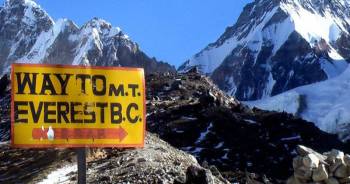
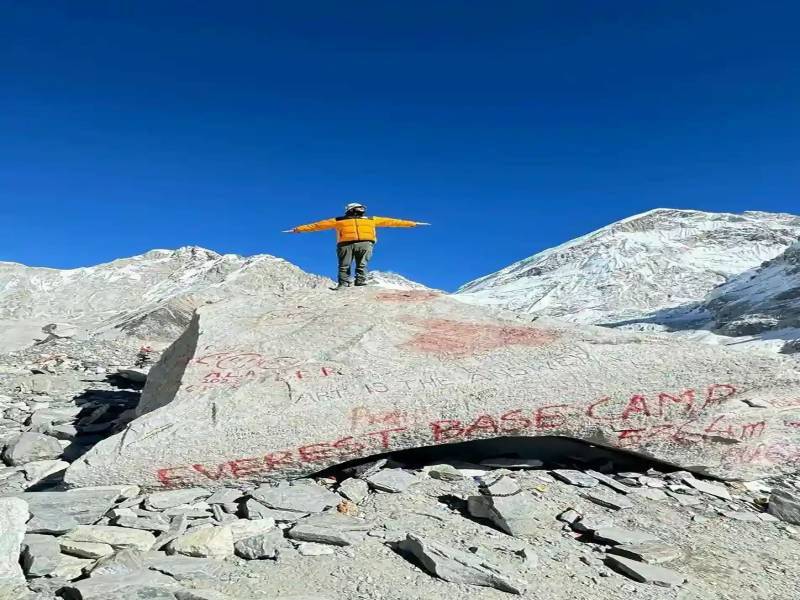
Basecamp achievement: Standing where Everest expeditions begin
Sunrise Over Everest from Kala Patthar
Kala Pattharmeaning “black rock” in Nepalirises to 5,545 meters directly across from Everest’s south face. Most trekkers start the climb around 4:30 AM in darkness, reaching the summit as the first light hits the Himalayan giants. This viewpoint offers clearer Everest views than Base Camp itself because you look directly at the peak rather than up at it from the glacier below.
Sherpa Heritage in Namche Bazaar and Tengboche Monastery
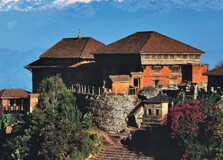
Namche Bazaar functions as the Sherpa capital and the last major trading hub before the high mountains. The town sits in a natural amphitheater with bakeries, gear shops, and internet cafes carved into the hillside. Tengboche Monastery, perched on a ridge at 3,860 meters, is the region’s most important Buddhist site. The monastery courtyard frames Ama Dablam so perfectly that the view feels almost staged.
Glacial Trails Through Sagarmatha National Park
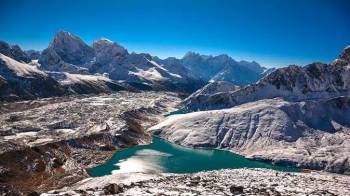
Sagarmatha is Nepal’s name for Everest, and the national park bearing this name holds UNESCO World Heritage status. The trail passes through rhododendron forests, crosses glacial moraines, and skirts the Khumbu Glacier. Wildlife sightings include Himalayan tahr, musk deer, and the occasional Danphe pheasantNepal’s national bird.
Standing at Everest Base Camp 5364m
The base camp itself sits on the Khumbu Glacier, a shifting landscape of ice and rock where expedition teams establish their camps each spring and autumn climbing season. There is no permanent structure here, just prayer flags, memorial stones, and the overwhelming presence of the Khumbu Icefall rising toward the Western Cwm
10 Day Everest Base Camp Short Trek Itinerary
The following day-by-day breakdown shows typical walking hours and elevation changes. Daily trekking time ranges from four to eight hours depending on terrain and weather conditions.
Day 1 Fly to Lukla and Trek to Phakding
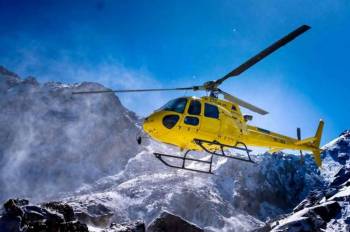
The morning flight from Kathmandu to Lukla takes approximately 35 minutes and lands at Tenzing-Hillary Airport, one of the world’s most dramatic runways. From Lukla (2,860m), the trail descends gently along the Dudh Koshi river to Phakding (2,610m). This first day serves as a warm-up, covering about three hours of easy walking through pine forests and small settlements.
Day 2 Phakding to Namche Bazaar
The trail crosses multiple suspension bridges decorated with prayer flags before entering Sagarmatha National Park at Monjo. After the park checkpoint, the path climbs steeply for approximately three hours to reach Namche Bazaar (3,440m). This is the most demanding day in terms of elevation gain, and many trekkers feel the altitude for the first time as they climb the final switchbacks into town.
Day 3 Namche Bazaar to Tengboche
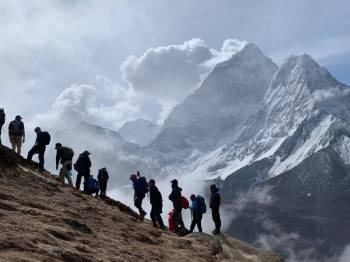
Without an acclimatization day in Namche, the trek continues directly toward Tengboche (3,860m). The trail contours around the hillside with expanding views of Everest, Lhotse, and Ama Dablam before descending to cross the Dudh Koshi and climbing to the monastery. Walking time is approximately five to six hours.
Day 4 Tengboche to Dingboche
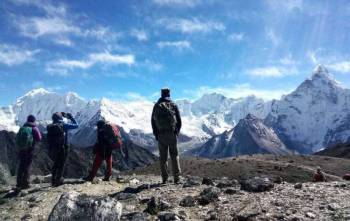
The path drops through rhododendron and juniper forest to Deboche, then climbs steadily through Pangbochethe oldest Sherpa village in the Khumbubefore reaching Dingboche (4,410m). This farming settlement sits in the Imja Valley with views of Island Peak and Ama Dablam. Expect five to six hours of trekking as the vegetation thins and the air grows noticeably colder.
Day 5 Dingboche to Lobuche
The landscape becomes increasingly stark as you gain elevation. The trail passes memorial chortens honoring climbers who died on Everest and neighboring peaks. Lobuche (4,910m) consists of a handful of lodges clustered on rocky terrain. Walking time is approximately four to five hours, and most trekkers feel the altitude more acutely at this elevation.
Day 6 Lobuche to Gorak Shep and Everest Base Camp
This is the longest and most demanding day. The morning trek to Gorak Shep (5,164m) takes about three hours across rocky moraine. After dropping bags at the lodge, trekkers continue another two to three hours to Everest Base Camp (5,364m) before returning to Gorak Shep for the night. Total walking time approaches seven to eight hours.
Day 7 Kala Patthar Sunrise and Descent to Pheriche
The pre-dawn climb to Kala Patthar (5,545m) takes approximately two hours in darkness. After watching sunrise over Everest, the descent beginsfirst back to Gorak Shep, then continuing down to Pheriche (4,280m). The significant drop in elevation helps the body recover from the previous day’s exertion, and most trekkers notice improved breathing and energy levels.
Day 8 Pheriche to Namche Bazaar
A major descent day covering terrain that took two days on the way up. The trail retraces the route through Pangboche and Tengboche before the final push down to Namche Bazaar. Expect six to seven hours of walking, mostly downhill, which can be hard on the knees.
Day 9 Namche Bazaar to Lukla
The final trekking day completes the loop back to Lukla. The trail descends through the national park checkpoint at Monjo, crosses the suspension bridges, and climbs the final stretch to Lukla. Most groups celebrate with a farewell dinner and early bedtime before the morning flight.
Day 10 Fly From Lukla to Kathmandu
Morning flights from Lukla are weather-dependent. Clouds, wind, or poor visibility can delay departures for hours or even days. Experienced operators recommend keeping buffer days in Kathmandu before international departures for exactly this reason.
Everest Base Camp Short Trek Difficulty and Altitude Profile
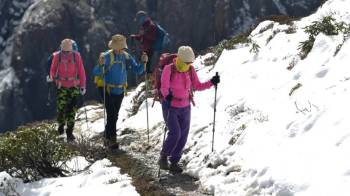
The 10-day EBC trek rates as strenuous due to the combination of high altitude, daily elevation changes, and compressed timeline. You walk five to eight hours daily across terrain that includes steep stone staircases, rocky moraine, and high-altitude glacial paths.
Day Start End Elevation Change
1 Lukla (2,860m) Phakding (2,610m) -250m
2 Phakding Namche (3,440m) +830m
3 Namche Tengboche (3,860m) +420m
4 Tengboche Dingboche (4,410m) +550m
5 Dingboche Lobuche (4,910m) +500m
6 Lobuche EBC (5,364m) / Gorak Shep +454m
7 Gorak Shep Kala Patthar / Pheriche +381m / -1,265m
8 Pheriche Namche (3,440m) -840m
9 Namche Lukla (2,860m) -580m
The steepest gains occur on days two through six, with the most significant single-day elevation increase happening between Phakding and Namche.
Altitude Sickness Risk Without Acclimatization Days
Acute Mountain Sickness (AMS) occurs when the body cannot adapt quickly enough to reduced oxygen at high elevation. Symptoms include headache, nausea, fatigue, dizziness, and loss of appetite. The 10-day itinerary increases AMS risk because you gain altitude faster than the classic route allows.
Recognize symptoms early: Persistent headache, dizziness, or unusual fatigue warrant immediate attention
Hydration is essential: Drinking three to four liters of water daily helps the body adjust
Descend if symptoms worsen: The only reliable cure for AMS is lower elevation
Diamox consideration: Some trekkers take acetazolamide as a preventive measure after consulting a doctor before departure
Your guide monitors the group for altitude symptoms daily. If someone shows signs of serious AMS, the protocol is immediate descentthere is no negotiating with altitude.
Best Time for the Everest Base Camp Short Trek
Nepal’s trekking seasons follow the monsoon calendar. The best conditions occur when skies are clear and precipitation is minimal.
Spring Season March to May
Rhododendron forests bloom in pink and red at lower elevations while temperatures warm steadily. Pre-monsoon weather brings stable conditions and excellent visibility. This is peak season, so trails and lodges are busy.
Autumn Season September to November
Post-monsoon skies are the clearest of the year. Temperatures are comfortable during the day though nights grow cold at higher elevations. October and November see the highest trekker numbers.
Winter and Monsoon Trekking Notes
Winter trekking (December through February) is possible but brings bitter cold, potential snow on the trail, and some lodge closures. Monsoon season (June through August) brings daily rain, leeches at lower elevations, and obscured mountain viewsnot recommended for this route.
Short EBC Trek Cost and What Is Included
Package prices typically range from $1,100 to $1,500 USD per person depending on the operator and inclusions.
What the Package Covers
Lukla flights: Round-trip from Kathmandu or Manthali
Tea house accommodation: Twin-share rooms throughout the trek
Meals on trek: Breakfast, lunch, and dinner daily
Experienced guide and porter: Licensed, English-speaking support
Permits: Sagarmatha National Park entry and local municipality fees
What the Package Excludes
Travel insurance (mandatory, covering helicopter evacuation), personal trekking gear and clothing, tips for guide and porter, beverages and snacks beyond meals, hot showers and Wi-Fi charges at lodges, and emergency evacuation costs.
Permits Required for the Everest Base Camp Short Trek
Two permits are mandatory for entering the Khumbu region. The Sagarmatha National Park Entry Permit is required for all trekkers entering the park and is checked at the Monjo entrance gate. The Khumbu Pasang Lhamu Rural Municipality Permit is a local area entry fee supporting community development.
Trekking companies arrange both permits before departure, typically requiring passport copies and photos. Independent trekkers can obtain permits at the Nepal Tourism Board office in Kathmandu.
Packing List for the 10 Day Short EBC Trek
The layering system is essential for managing temperature swings between warm valley walking and freezing high-altitude nights. Porters carry the main duffel while you carry a daypack with essentials.
Head Eyewear and Sun Protection
Warm beanie for cold mornings, sun hat for midday, UV-protection sunglasses rated UV400, high-SPF sunscreen, and lip balm with SPF. Snow reflection at altitude intensifies UV exposure significantly.
Upper Body Insulation and Shells
Moisture-wicking base layers (synthetic or merino wool), fleece mid-layer for insulation, down jacket for evenings and high altitude, and waterproof outer shell for wind and precipitation.
Lower Body Trekking Layers
Lightweight trekking pants (zip-off style works well), thermal leggings for cold mornings and sleeping, and waterproof pants for rain or snow.
Hands Feet and Trekking Boots
Liner gloves plus insulated outer gloves, broken-in waterproof trekking boots with ankle support, and gaiters if trekking in winter conditions.
Sleeping Bag Backpack and Daypack
Four-season sleeping bag rated to -10°C (rentals available in Kathmandu), daypack (20-30 liters) for daily essentials, and duffel bag for porter to carry.
Toiletries and Personal First Aid
Altitude medication (consult doctor about Diamox), blister care supplies, hand sanitizer, personal medications, toilet paper, and basic first aid items.
Lukla Flight Logistics and Manthali Season Transfers
Tenzing-Hillary Airport in Lukla has a short runway carved into the mountainside, making it highly weather-dependent. Flights operate only in clear conditions, and delays are common during peak seasons.
During busy months, some flights depart from Manthali (Ramechhap) instead of Kathmandu to reduce airport congestion. Manthali requires a three to four hour early morning drive from Kathmandu, typically departing around 3:00 AM. Your trekking company handles this logistics, though it adds fatigue to the first day.Tip: Always keep at least one buffer day in Kathmandu before your international departure. Flight delays at Lukla can cascade for days during bad weather.
Accommodation and Meals on the Short EBC Trek
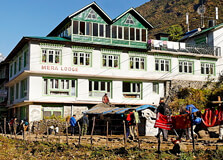
Tea houses are family-run mountain lodges offering basic but comfortable accommodation along the trail. Rooms typically contain twin beds with thin mattresses and shared bathrooms. Heating is rare above Namche, making a quality sleeping bag essential.
Rooms: Simple, clean, no heating in most lodges
Bathrooms: Shared facilities, squat toilets common at higher elevations
Hot showers: Available for extra fee, not always reliable above Dingboche
Charging facilities: Available for fee at most lodges, bring a power bank
Meals are hearty and carbohydrate-heavy: dal bhat (lentils and rice), noodle soups, fried rice, pancakes, and chapati. Menus become more limited at higher elevations, but portions remain generous.
Fitness Training and Preparation for the Short EBC Trek
Without acclimatization days built into the schedule, physical preparation becomes even more critical. Starting a training program at least two to three months before departure significantly improves your experience on the trail.
Cardiovascular endurance: Hiking, running, cycling, or stair climbing three to four times weekly
Leg strength: Squats, lunges, and step-ups with a weighted pack
Practice hikes: Weekend hikes with elevation gain wearing your actual trek boots
Altitude simulation: If accessible, train at higher elevations or use altitude training facilities
The fitter you arrive, the more you enjoy the scenery instead of focusing on your burning lungs.
Who Is the 10 Day Everest Base Camp Short Trek Best For
This itinerary suits specific trekker profiles better than others. Being honest about your experience and fitness level helps ensure a safe and enjoyable trip.
Good fit: Experienced trekkers with prior high-altitude exposure, physically fit individuals with strong cardiovascular endurance, time-limited professionals who cannot take two weeks off, and those who have successfully acclimatized above 4,000 meters before. If you are weighing other Himalayan options, the EBC vs. Annapurna Base Camp comparison can help narrow your choice.
Better choosing the classic route: First-time high-altitude trekkers, anyone concerned about altitude sickness, trekkers preferring gradual acclimatization, and older trekkers or those with underlying health conditions. The Everest View Trek is another Khumbu option that delivers stunning panoramas without the extreme altitude demands.
Practical Tips for a Successful Short EBC Trek
Small adjustments in behavior and preparation make a significant difference at altitude.
Start slow: Pace yourself especially during the first three days as your body adjusts
Hydrate constantly: Carry a water bottle and purification method, drink frequently
Eat well: Carbohydrates fuel high-altitude trekking better than protein or fat
Listen to your body: Report any unusual symptoms to your guide immediately
Protect extremities: Cold hands and feet are common complaints above 4,000 meters
Bring cash: ATMs are unavailable after Namche Bazaar
Start Your Everest Base Camp Short Trek With Wilder Way Trekking
Wilder Way Trekking operates this Everest Base Camp Short Trek with experienced Sherpa guides who know the Khumbu region intimately. Packages include transparent pricing with taxes included, 24/7 support throughout your journey, and flexible booking options that accommodate schedule changes. From permit arrangements to Lukla flight coordination to tea house reservations, the planning is handled before you arrive.
Lukla, Everest Base Camp Trek and Namche Bazaar Tour Itinerary
More Details about Lukla, Everest Base Camp Trek and Namche Bazaar Tour
Inclusions
- Hotel
- Domestic flight tickets (Kathmandu – Lukla – Kathmandu) and airport departure taxes
- Total 9 nights (Four nights at Lukla, Phakding, and Namche (2 Nights), rooms with private attached bathrooms. Five nights in standard rooms at Tengboche,Lobuche, Dingbuche,Gorakshep, and Pheriche)
- Full-board (main course) meals (10 lunches, 9 dinners, and 10 breakfasts) during the trek
- Government licensed English-speaking trek leader. For more than 12 trekkers, 1 assistant guide.
- Porters to carry trekkers luggage. 2 trekkers will share 1 porter. Max weight limit for a porter- 18 kg (9 kg per trekker, weight limit).
- Covers guides' and porters' wages, their meals, insurance, lodging, transportation, flight, and other necessary equipment.
- Water purification tablets for safe drinking water
- Sagarmatha National Park entry permit fee
- Khumbu Pasang Lhamu Rural Municipality fees
- Snacks (cookies) and seasonal fresh fruits every day
- All government, local taxes, and official expenses
- Assistance in arranging rescue operations in case of complicated health conditions (funded by travel insurance)
- Souvenirs - company's T-shirt & cap
- Wilder Way Trekking’s Appreciation Certificate after the successful trek.
- Farewell dinner at the end of the trek
Exclusions
- International flight costs
- Nepal Entry Visa Fees for multiple entries on arrival at Tribhuvan International Airport (USD 50 for 30-day stay)
- Excess baggage charges (Limit is 9 kg per person) on the trek
- All accommodation and meals in Kathmandu, before and after the journey
- Extra night accommodation in Kathmandu due to early arrival or late departure, or early return from the trek.
- Personal expenses (shopping, snacks, boiled bottle water, hot (Tea/ Coffee) and cold drinks, hot shower, alcohol, Wi-Fi, telephone call, battery re-charge fee, extra porters, etc
- Personal clothing and gear
- Travel insurance that covers emergency high-altitude rescue and evacuation (compulsory)
- Tips for guides and porters (recommended)
- Additional costs incurred due to causes beyond our control, for example, landslides, weather conditions, itinerary modifications due to safety concerns, illness, change of government policies, strikes, etc.
- All other costs and expenses not listed in the -What is included in my 10 days EBC Trek Package.
Payments Terms
- * 20% Advance Percentage of total booking amount
Cancellation & Refund Policy
- * Upon cancellation, refund will be made after deducting the Retention Amount.
Packages by Theme
Similar Tour Packages for Lukla
-
4 Nights / 5 Days
-
14 Nights / 15 Days
-
16 Nights / 17 Days
-
14 Nights / 15 Days
-
10 Nights / 11 Days
-
12 Nights / 13 Days
-
15 Nights / 16 Days
-
9 Nights / 10 Days
-
13 Nights / 14 Days
-
13 Nights / 14 Days
-
13 Nights / 14 Days