
Duration : 13 Nights / 14 Days
Destination Covered : Lukla, Solukhumbu, Namche Bazaar
Tour Activities : Trekking
Tour Themes : Adventure Tours, Hill Stations & Valleys
Price on Request
Lukla, Solukhumbu and Namche Bazaar Tour Overview
Everest Base Camp Trek 2026: Ultimate 14-Day Itinerary, Cost & Complete Guide
Highlights of the Tour
World’s highest airport at Syangboche (3,780m / 12.402ft)
Chance to explore the culture and lifestyles of the local Sherpa people
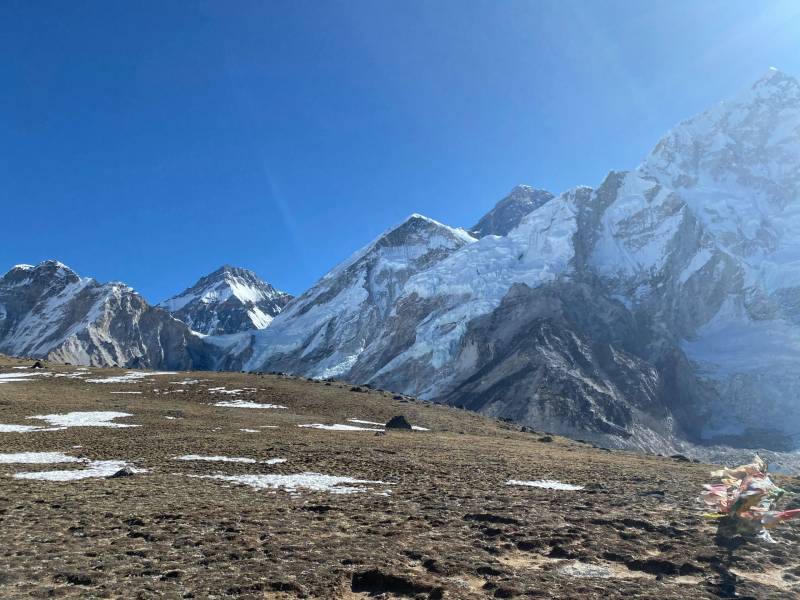
The magnificent views of the world’s highest peak, 8,848.68m/29,029 ft.
Views of other peaks such as Mt. Lhotse(8,516m), Cho Oyu (8,201m) and Mt. Makalu (8,463m)
Explore Sagarmatha National Park
Prayer wheels, colorful flags, Mani stones, high suspension bridges
Wide range of flora and fauna
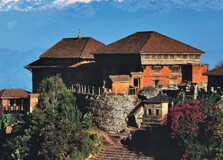
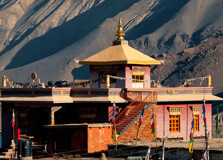
Ancient monastery in Tengboche (3,867m / 12,687ft)
Wildlife like musk deer, colorful pheasants, snow leopards, and Himalayan Tahrs
Highest glacier on Earth- Khumbu Glacier (4,900 m)
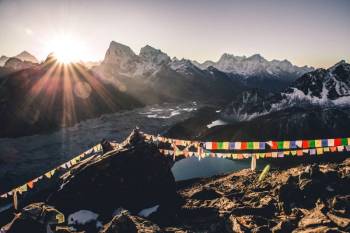
Amazing panoramic views from Kala Patthar (5,555m)
13 Nights/14 Days
Max People : 30
EVEREST REGION
Everest Base Camp (EBC) – even people who don’t hike know the name.
If you’re reading this, you’re probably somewhere between “I really want to do it in 2026” and “Wait, how much does it cost and am I about to book the wrong thing?”
Fair. The EBC trek isn’t complicated, but it has a lot of moving parts—flights, permits, altitude, guides, gear, and tea house prices that rise as you go higher. Little things add up fast.
This guide covers everything you need for 2026: costs, itinerary, packing list, safety tips, and expert advice.
Quick Overview
Trek Duration: 12–14 days walking + 2–4 travel buffer days
Start Point: Lukla (flight from Kathmandu or Manthali/Ramechhap)
Highest Sleeping Point: Gorak Shep (5,164 m / 16,942 ft)
Highest Hiking Point: Kala Patthar (5,545 m / 18,208 ft)
EBC Altitude: 5,364 m / 17,598 ft
Best Seasons: Spring (March–May), Autumn (Sept–Nov)
2026 Budget: USD $1,300–$3,500+ depending on style
What’s New in 2026
Flights to Lukla are still unpredictable
Peak season flights may operate from Manthali instead of Kathmandu, adding 4–6 hours of road travel. Buffer days are essential.
Prices keep rising
Tea houses, meals, guides, and domestic flights have increased steadily. Expect 2026 costs to be higher than 2024–25.
Connectivity improves, but isn’t reliable
WiFi is available in many lodges, but often paid and patchy. Don’t count on working remotely.
How Hard is the Everest Base Camp Trek?
Everest Expedition
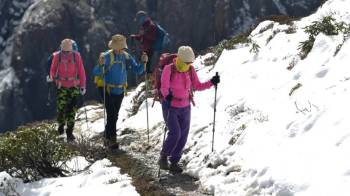
While the trek does not require technical climbing skills, it is physically demanding. Key challenges include:
Long walking days: Typically 6–8 hours per day.
Uneven trails and stone steps: Can be tough on knees and ankles.
Altitude: Daily ascent and sleep at high elevation.
Cold nights: Temperatures drop significantly, especially above 4,000 m.
Fitness tips:
Walk steadily and pace yourself.
Take all acclimatization days seriously.
Be patient with weather and group dynamics.
Altitude Safety Tips
Altitude sickness can affect anyone, regardless of fitness. Follow these essential guidelines:
Drink plenty of water daily.
Eat balanced meals and snacks for energy.
Never skip acclimatization days.
If symptoms worsen (severe headache, nausea, dizziness), descend immediately.
Mild symptoms like a slight headache or nausea may resolve with rest and hydration, but always monitor closely.
Some trekkers carry Diamox (acetazolamide) after consulting a doctor to prevent altitude sickness.
Packing List – Essentials for EBC Trek
Clothing:
Base layers (tops and bottoms)
Fleece or light down mid-layer
Warm down jacket for mornings/evenings
Waterproof shell jacket
Trekking pants (2 pairs)
Gloves, warm hat, and buff
Footwear:
Broken-in trekking boots
Camp shoes or sandals for lodges
Wool or synthetic socks
Sleep & Shelter:
Sleeping bag rated for -10°C to -15°C comfort
Optional liner for extra warmth
Essentials & Gear:
Headlamp with extra batteries
Water bottles or hydration bladder
Water purification tablets or filter
Sunscreen and lip balm
Trekking poles
Power bank for devices
Toiletries:
Toilet paper and wet wipes
Hand sanitizer
Minimal personal hygiene items
Tea Houses & Food on the EBC Trail
Meals are simple but hearty:
Staple: Dal Bhat (rice, lentils, vegetables)
Other options: Noodles, soups, momos, pancakes, eggs, porridge
Lodging: Small rooms with blankets provided
Costs: $5–$45 per day depending on altitude and comfort level
Guide & Porter Recommendations
Guide: Highly recommended for first-time trekkers, solo travelers, or those wanting smoother logistics. Guides help with navigation, pacing, altitude management, and cultural insights.
Porter: Useful for carrying heavy gear, protecting knees, and maintaining energy levels. Typically 1 porter is shared between 2 trekkers (max 18 kg per porter / 9 kg per trekker).
Common Mistakes to Avoid
Booking without buffer days — flights to Lukla are often delayed.
Carrying too much weight, leading to fatigue and slower progress.
Pushing through altitude sickness — never underestimate it.
Overplanning every detail — weather, trail conditions, and group dynamics can change daily.
Everest Base Camp Trek Cultural Highlights
Sherpa Villages: Namche Bazaar, Khumjung – experience local life and markets.
Monasteries: Tengboche, Deboche – Buddhist prayers, panoramic views.
Festivals: Losar and Mani Rimdu – colorful dances and rituals.
Local Cuisine: Dal Bhat, momos, tea house meals.
Heritage: Sherpa history, mountaineering culture, prayer flags along the trail.
Everest Base Camp Trek Altitude Sickness Guide
Altitude sickness, also called Acute Mountain Sickness (AMS), can affect anyone trekking above 2,500–3,000 meters. Even experienced hikers are not immune. Being prepared is essential for safety and a smooth trek.
1. Stay Hydrated
Drink at least 3–4 liters of water per day.
Avoid excessive alcohol and caffeine, which can dehydrate you.
Small, frequent sips during hikes are better than large amounts at once.
2. Eat Well & Maintain Energy
Eat regular, high-carbohydrate meals for energy.
Include snacks like nuts, chocolate, or energy bars for the trail.
Avoid skipping meals; your body needs fuel to acclimatize.
3. Acclimatization Days Are Crucial
Follow the “climb high, sleep low” principle.
Take rest days at Namche Bazaar, Dingboche, or other high points.
Light walks on acclimatization days help your body adjust without overexertion.
4. Recognize Symptoms Early
Mild symptoms: headache, nausea, dizziness, fatigue, loss of appetite, difficulty sleeping.
Moderate to severe symptoms: worsening headache, vomiting, confusion, shortness of breath, swelling of hands/feet.
Never ignore symptoms—descending early is safer than pushing on.
5. Preventive Measures & Medication
Some trekkers consult a doctor about Diamox (acetazolamide) for prevention.
Use only under medical guidance; it helps reduce fluid buildup and improve acclimatization.
Avoid overexertion, pace yourself, and get plenty of rest.
6. Emergency Protocol
Descend immediately if severe symptoms appear.
Inform your guide or trekking team at the first sign of worsening AMS.
Local clinics are available at Namche, Dingboche, and other villages; rescue services are arranged if needed.
7. Extra Tips
Avoid rapid ascents; take flights to Lukla or other high-altitude points cautiously.
Keep a health log of symptoms and daily altitude gain.
Encourage teammates or group members to watch for each other.
Bottom Line: Altitude sickness is manageable if you hydrate, eat well, pace yourself, acclimatize, and descend when necessary. Safety always comes first on Everest Base Camp.
Why Trek to Everest Base Camp?
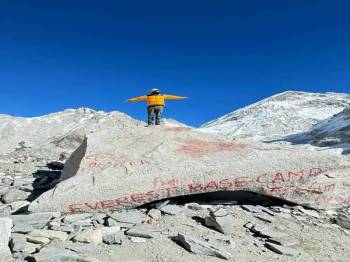
Stand at 5,364m below Mount Everest
Witness sunrise from Kala Patthar
Experience Sherpa culture in Namche Bazaar
Visit the iconic Tengboche Monastery
Trek through glaciers, suspension bridges, and alpine valleys
This is the world’s most legendary trekking journey — and it’s achievable for fit adventurers.
Everest Base Camp Trek Route Alternatives
The classic Everest Base Camp trek via Namche and Tengboche is the most popular, offering iconic Everest views, Ama Dablam, and Tengboche Monastery. Duration: 12–14 days. Moderate difficulty, ideal for first-time trekkers.
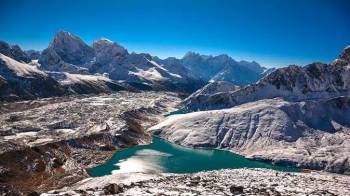
The Gokyo Lakes trek features turquoise glacial lakes, fewer crowds, and stunning panoramas of Everest. Includes the challenging Cho La Pass. Duration: 14–16 days. Moderate to strenuous.
The Three Passes trek combines the classic EBC route with Gokyo Lakes and high passes like Renjo La, Cho La, and Kongma La. Offers extreme views, remote villages, and a more adventurous experience. Duration: 18–21 days. Strenuous; for experienced trekkers.
Shorter alternatives, such as loops via Thame Valley or Phortse, provide cultural exposure, scenic ridges, and slightly easier trekking for those with limited time.
Each route varies in duration, difficulty, and scenery, allowing trekkers to choose based on fitness, experience, and desired adventure level.
Everest Base Camp vs Annapurna Base Camp
Compared to Annapurna Base Camp:
Feature Everest Base Camp Annapurna Base Camp
Max Altitude 5,545m 4,130m
Trek Duration 14 Days 7–11 Days
Popularity World-famous Scenic alternative
Difficulty Moderate–Hard Moderate
Everest offers higher altitude and iconic prestige.
Final Thoughts
The Everest Base Camp trek with Wilder Way Trekking isn’t just a hike—it’s a life-changing journey through the heart of the Himalayas, blending breathtaking landscapes with rich Sherpa culture.
Whether you follow the classic route via Namche and Tengboche, explore the turquoise Gokyo Lakes, or challenge yourself on the Three Passes trek, each path offers unforgettable vistas, unique villages, and spiritual landmarks along the way.
Imagine standing on Kala Patthar at sunrise, watching Everest tower above the clouds, or sharing a warm meal with local Sherpas in a high-altitude tea house. Every step brings adventure, culture, and personal achievement, all carefully guided by our experienced team.
Start planning your trek for with Wilder Way Trekking today—choose your route, prepare your gear, and book your guide or porter to make this epic journey safe, smooth, and unforgettable.
Lukla, Solukhumbu and Namche Bazaar Tour Itinerary
Trek Distance 6.2km / 3.8miles
Flight hours 40/20 Minutes
Highest Altitude 2,850m / 9,350ft.
Trek Duration 3 hours
Overnight stay at Khumbu Travel Lodge, room with attached bathroom
Included standard meals (Breakfast + Lunch + Dinner)
Trek Distance 7.4km / 4.6 miles
Highest Altitude 3,440m / 11,285ft
Trek Duration 6 hours
Overnight stay at Sakura Guest House (room with attached bathroom)
Included standard meals (Breakfast + Lunch + Dinner)
Overnight stay at Sakura Guest House (room with attached bathroom)
Included standard meals (Breakfast + Lunch + Dinner)
Trek Distance 9.2km / 5.7miles
Highest Altitude 3,855m / 12,850ft
Trek Duration 5 hours
Overnight stay at Hotel Good Luck
Included standard meals (Breakfast + Lunch + Dinner)
Trek Distance 12km / 7.45miles
Highest Altitude 4,360m / 14,290ft
Trek Duration 5 hours
Overnight stay at Hotel Good Luck
Included standard meals (Breakfast + Lunch + Dinner)
Overnight stay at Hotel Good Luck
Included standard meals (Breakfast + Lunch + Dinner)
Trek Distance 8.5km / 5.2 miles
Highest Altitude 4,930m /16,175ft.
Trek Duration 5 hours
Overnight stay at Mother Earth House
Included standard meals (Breakfast + Lunch + Dinner)
Trek Distance 15km / 9.32miles
Highest Altitude 5,364m / 17,598ft
Trek Duration 6-8 hours
Trek Distance 9.6km / 6miles
Highest Altitude 5,555m / 18,208ft
Trek Duration 5 hours
Overnight stay at Himalayan Hotel
Included standard meals (Breakfast + Lunch + Dinner)
Trek Distance 8.5km / 5.2miles
Highest Altitude 4,250m / 13,945ft
Trek Duration 4-5 hours
Overnight stay at Hotel Good Luck
Included standard meals (Breakfast + Lunch + Dinner)
Trek Distance 9.2km / 5.7miles
Highest Altitude 3,855m / 12,850ft
Trek Duration 5 hours
Overnight stay at Sakura Guest House (room with attached bathroom)
Included standard meals (Breakfast + Lunch + Dinner)
Trek Distance 7.4km / 4.5miles
Highest Altitude 3,440m / 11,285ft
Trek Duration 4 hours
Overnight stay at Khumbu Travel Lodge
Included standard meals (Breakfast + Lunch + Dinner)
Trek Distance 6.2km / 3.8 miles
Highest Altitude 2,850m / 9,350ft
Trek Duration 3-4 hours
Overnight stay at Comfort Inn
Included standard meals (Breakfast + Lunch + Dinner)
Flight Hours 40/20 minutes
Included standard meal (Breakfast)
More Details about Lukla, Solukhumbu and Namche Bazaar Tour
Inclusions
- Hotel
- Domestic flight tickets (Kathmandu – Lukla – Kathmandu) including airport departure taxes
- 13 nights accommodation during the trek:
- 6 nights in rooms with private attached bathroom (Lukla, Phakding – 2 nights, Namche Bazaar – 3 nights)
- 7 nights in standard teahouse rooms (Tengboche 2 nights, Dingboche – 2 nights, Lobuche, Gorak Shep, Pheriche)
- Full-board meals during the trek (standard main course):
- 14 breakfasts
- 13 lunches
- 14 dinners
- Daily snacks (cookies)
- Seasonal fresh fruits every day
- Government-licensed English-speaking trekking guide
- 1 assistant guide for groups of more than 12 trekkers
- Porter service (2 trekkers share 1 porter; maximum weight limit 18 kg per porter / 9 kg per trekker)
- Storage facility for non-essential luggage at your hotel in Kathmandu
- Coverage of guides’ and porters’ wages, meals, insurance, accommodation, transportation, flights, and required equipment
- Water purification tablets for safe drinking water
- Sagarmatha National Park entry permit fee
- Khumbu Pasang Lhamu Rural Municipality permit fee
- All government taxes, local taxes, and official expenses
- Assistance in arranging rescue operations in case of complicated health conditions (rescue funded by travel insurance)
- Company souvenir T-shirt and Cap
- Wilder Way Trekking Appreciation Certificate after successful completion of the trek
- Farewell dinner at the end of the trek
Exclusions
- International flight airfare to and from Nepal
- Nepal entry visa fees
- Excess luggage's charges (Lukla flight baggage limit is 9 kg per person)
- Accommodation and three meals (breakfast, lunch, and dinner) in Kathmandu
- Extra nights’ accommodation in Kathmandu due to early arrival, late departure, or early return from the trek
- Personal expenses such as shopping, snacks, alcoholic beverages, hot drinks (tea/coffee), cold drinks, bottled or boiled water, hot showers, Wi-Fi, laundry, telephone calls, battery charging fees, extra porter service, etc.
- Travel insurance (compulsory) that must cover emergency high-altitude rescue and evacuation
- Tips for trekking guide and porters (tipping is customary in Nepal)
- Additional costs arising from unforeseen circumstances beyond our control, such as landslides, unfavorable weather conditions, flight delays/cancellations, itinerary changes due to safety concerns, illness, government policy changes, strikes, or natural disasters
- Any other costs and expenses not listed under “What Is Included?” above
Payments Terms
- * 20% Advance Percentage of total booking amount
Cancellation & Refund Policy
- * Upon cancellation, refund will be made after deducting the Retention Amount.
Packages by Theme
Similar Tour Packages for Lukla, Solukhumbu
-
4 Nights / 5 Days
-
14 Nights / 15 Days
-
16 Nights / 17 Days
-
14 Nights / 15 Days
-
10 Nights / 11 Days
-
12 Nights / 13 Days
-
9 Nights / 10 Days
-
15 Nights / 16 Days
-
9 Nights / 10 Days
-
13 Nights / 14 Days
-
13 Nights / 14 Days