
Duration : 14 Nights / 15 Days
Destination Covered : Lukla, Everest Base Camp Trek, Namche Bazaar, Tengboche Monastery
Tour Activities : Trekking
Tour Themes : Adventure Tours, Hill Stations & Valleys, Religious & Pilgrimage
Price on Request
Lukla, Everest Base Camp Trek and Namche Bazaar Tour Overview
Highlights of the Tour
One of the world’s highest airports at Syangboche (3,780m / 12.402ft)
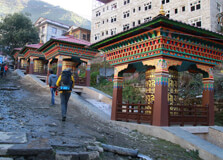
Chance to explore local Sherpa culture, tradition, and architecture
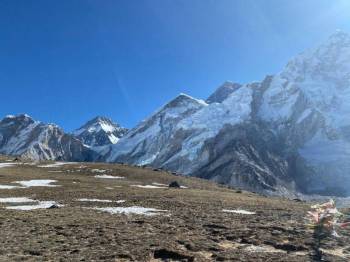
The magnificent views of the world’s highest peak, Everest (8,848.68m/29,029ft), and others, such as Mt. Lhotse(8,516m), Cho Oyu (8,201m), and Mt. Makalu (8,463m)
Explore Sagarmatha National Park and appreciate the diverse flora and fauna (including musk deer, colorful pheasants, snow leopards, and Himalayan Tahrs)
Prayer wheels, colorful flags, Mani stones, high suspension bridges, ancient monasteries, including Tengboche Monastery, Khumjung Monastery, and others
The highest glacier on Earth- Khumbu Glacier (4,900 m)
Amazing panoramic views from Kala Patthar (5,555m)
Amazing views from Gokyo Ri (5,357m / 17,575ft)
Pristine Gokyo Valley, Gokyo Lake, Gokyo Ri Viewpoint, and Cho La Pass (5,420m)
Edmund Hillary funded schools and hospital
14 Nights/ 15 Days
Max People : 30
EVEREST REGION
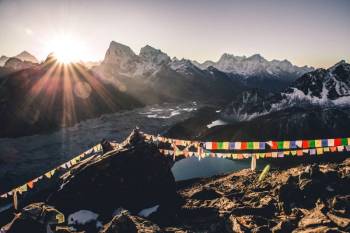
There is a moment on the Gokyo Ri summit when the sun breaks over Everest and the turquoise lakes below catch the first light. Most trekkers on the classic Everest Base Camp route never see it; they are walking the same valley up and back while this quieter, more dramatic alternative exists just one ridge over.
The 15-day Everest Base Camp Trek via Gokyo Lakes combines two of the Khumbu’s most iconic experiences into a single loop: the sacred high-altitude lakes of Gokyo Valley and the legendary trail to Everest Base Camp, connected by the thrilling Cho La Pass crossing. This guide covers the complete day-by-day itinerary, altitude challenges, permit requirements, packing essentials, and everything else you need to plan this trek with confidence.
Trek Overview and Quick Facts
The 15-day Everest Base Camp Trek via Gokyo Lakes is a spectacular but physically demanding alternative to the classic EBC route. Instead of walking up a single valley and back, this itinerary loops through the quieter Gokyo Valley, crosses the challenging Cho La Pass at 5,420 meters, and finishes at Kala Pattharthe famous viewpoint at 5,545 meters where four of the world’s highest peaks line the horizon.
Detail Information
Duration 14 Nights / 15 Days
Region Everest (Khumbu)
Max Elevation 5,545m (Kala Patthar)
Difficulty Moderate to Challenging
Best Seasons March-May, October-November
Starting From $1,450 per person
TAXES INCL/PERS
What makes this route different from the standard EBC trek? You get two summit viewpoints instead of one, six high-altitude turquoise lakes, and a glacier crossing that most Everest trekkers never experience.
Top Highlights of the Gokyo Lakes and Everest Base Camp Trek
This combined route delivers experiences the standard Everest Base Camp trail simply cannot offer. You walk alongside Nepal’s longest glacier, summit two iconic viewpoints, and cross a high mountain pass connecting two of the Khumbu’s most dramatic valleys.
Turquoise Sacred Lakes: Six high-altitude lakes considered holy by Buddhists and Hindus
Dual Summit Viewpoints: Both Gokyo Ri and Kala Patthar offer panoramic Himalayan vistas
Cho La Pass Adventure: A thrilling glacier crossing that few EBC trekkers experience
Fewer Crowds: The Gokyo Valley sees significantly less foot traffic than the main corridor
Turquoise Gokyo Lakes and Ngozumpa Glacier
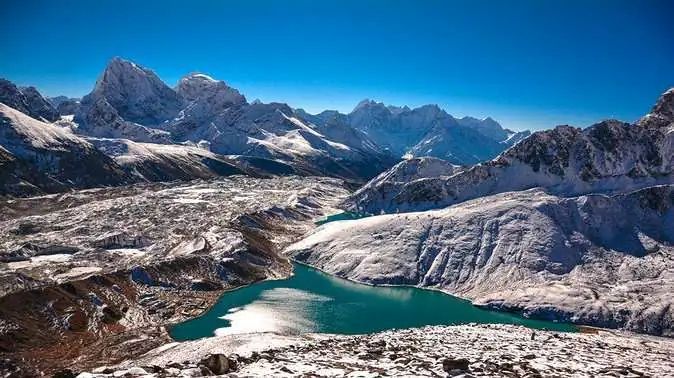
The Gokyo Lakes are a system of six emerald and turquoise pools sitting between 4,700 and 5,000 meters. They rest alongside the Ngozumpa Glacier, which stretches 36 kilometers, the longest glacier in Nepal. Walking beside this river of ice while the lakes shimmer in thin mountain air creates a landscape unlike anything on the classic route.
Sunrise Views from Gokyo Ri
Gokyo Ri is a 5,357-meter peak rising directly above Gokyo Village. The pre-dawn climb takes roughly two hours, and the reward is a 360-degree panorama of four 8,000-meter peaks: Everest, Lhotse, Makalu, and Cho Oyu. Many trekkers consider this viewpoint equal to or better than Kala Patthar because of the lake reflections below.
Cho La Pass Crossing
Cho La Pass sits at 5,420 meters and serves as the dramatic connection between the Gokyo Valley and the main Everest trail, one of three high passes in the Khumbu. The crossing involves a glacier section requiring crampons and careful footing. While it sounds intimidating, thousands of trekkers complete this pass each season with guide assistance and no prior technical experience.
Kala Patthar and Everest Base Camp
Kala Patthar, at 5,545 meters, offers the classic Everest photograph, the one on postcards and documentaries. Everest Base Camp itself sits among expedition tents and the Khumbu Icefall, though mountain views are actually better from Kala Patthar. This route gives you both experiences.
Why the Gokyo Lakes Route Beats the Classic Everest Base Camp Trail
The standard EBC trek follows a single valley up and back or a shorter 10-day version for trekkers with limited time. The Gokyo route creates a loop that maximizes variety while providing natural acclimatization through the gradual altitude gain of the Gokyo Valley.
Fewer crowds: Gokyo Valley sees roughly 30% of the foot traffic compared to the Gorak Shep corridor
More diverse scenery: Lakes, glaciers, and high passes versus a single valley approach
Better acclimatization: Natural altitude progression through Gokyo before tackling Cho La
Two iconic viewpoints: Both Gokyo Ri and Kala Patthar instead of just one
Day by Day Itinerary for the 15 Day Gokyo and EBC Trek
This itinerary moves through the Gokyo Valley first, crosses Cho La Pass, then reaches Everest Base Camp before descending. The structure provides optimal acclimatization and saves the iconic EBC moment for the trek’s climax.
Fly to Lukla and Trek to Phakding
The morning flight to Lukla’s Tenzing-Hillary Airport is an adventure in itself; the runway is carved into a mountainside with a 12% gradient. From Lukla, a gentle three-hour walk through pine forests leads to Phakding, where tea houses line the Dudh Koshi River.
Trek From Phakding to Namche Bazaar
Today brings the famous suspension bridges of the Khumbu, including one hanging 140 meters above the river. The trail climbs steadily to Namche Bazaar, the Sherpa capital and gateway to the Everest region. First views of Everest appear on the final ascent.
Acclimatization Day in Namche Bazaar
Rest days are essential above 3,000 meters. An optional hike to the Everest View Hotel or the Sherpa Culture Museum helps the body adjust while keeping legs active. Namche offers bakeries, gear shops, and the last reliable ATM on the trail.
Trek From Namche to Dole
The trail diverges from the main EBC route here, heading northwest into the quieter Gokyo Valley. Rhododendron forests give way to yak pastures as the path climbs through Khumjung and Phortse Thanga.
Trek From Dole to Machhermo
The landscape becomes increasingly alpine as the trail passes through small settlements. Machhermo has a rescue post and basic medical support, making it a strategic overnight stop before higher elevations.
Trek From Machhermo to Gokyo
The first Gokyo Lake appears mid-morning, its turquoise water startling against the brown moraine. By afternoon, you reach Gokyo Village at 4,790 meters, with the massive Ngozumpa Glacier stretching to the north.
Gokyo Ri Hike and Lakes Exploration
A pre-dawn start for Gokyo Ri rewards early risers with sunrise over four 8,000-meter peaks. The afternoon allows exploration of the sacred lake system and rest before the demanding Cho La crossing.
Trek From Gokyo to Thangnak
This short day covers technical terrain as the trail transitions to moraine and boulder fields. Thangnak serves as the staging point for the Cho La crossing, and an early night is essential.
Cross Cho La Pass to Dzongla
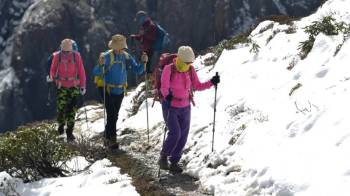
The most physically demanding day begins before dawn. The glacier crossing requires crampons (provided by guides) and careful attention to footing. The steep descent into Dzongla tests tired legs, but the sense of accomplishment is immense.
Trek From Dzongla to Lobuche
The route rejoins the classic EBC trail here, passing memorial cairns honoring climbers who lost their lives on Everest. This relatively short day allows recovery after Cho La.
Trek to Everest Base Camp and Back to Gorak Shep
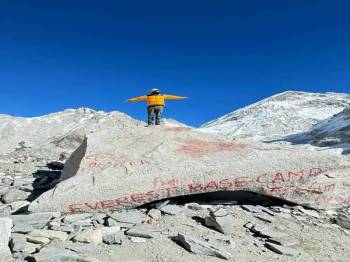
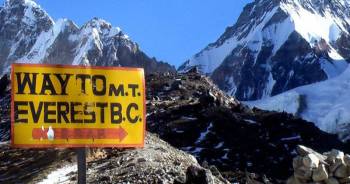
The long-awaited arrival at Everest Base Camp comes mid-day, with expedition tents and the Khumbu Icefall as backdrop. Since no lodges exist at Base Camp, trekkers return to Gorak Shep for the night.
Kala Patthar Sunrise and Trek to Pheriche
Another pre-dawn climb delivers the classic Everest viewpoint photograph. The rapid descent to Pheriche at 4,240 meters provides relief for altitude-stressed bodies.
Trek From Pheriche to Namche Bazaar
This long descent day covers familiar terrain in reverse. The thicker air feels noticeably easier to breathe, and celebration awaits at Namche’s tea houses.
Trek From Namche to Lukla
The final trail day returns to Lukla through forests and across suspension bridges. A celebration dinner at a local lodge marks the trek’s completion.
Fly Back to Kathmandu
Morning flight delays due to weather are common at Lukla. Building a buffer day in Kathmandu before international departure is strongly recommended. First-time visitors should also review essential travel tips for visiting Nepal to streamline arrival logistics.
Trek Cost, Inclusions, and Exclusions
Package prices typically range from $1,300 to $1,800 per person depending on group size, season, and customization level.
What the Package Includes
Domestic flights: Kathmandu-Lukla roundtrip
Accommodation: Tea house lodging throughout trek
Meals: Full board on trail (breakfast, lunch, dinner)
Permits: Sagarmatha National Park and local permits
Guide and porter: English-speaking guide and porter service
Airport transfers: Kathmandu pickup and dropoff
What the Package Excludes
International airfare
Nepal visa fees
Travel insurance (mandatory)
Personal gear and equipment
Tips for guide and porter
Hot showers and charging (paid locally)
Difficulty Level and Cho La Pass Challenges
This route is harder than the classic EBC trek because of the Cho La crossing. The difficulty rating sits at moderate-challenging, meaning solid baseline fitness is essential but no technical climbing experience is required.
Daily Walking Hours and Trail Terrain
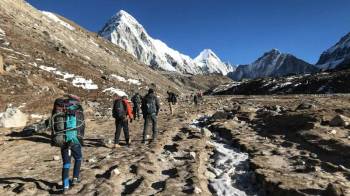
Expect five to seven hours of walking most days across varied terrain: stone paths, suspension bridges, moraine fields, and snow sections. The cumulative effect of consecutive hiking days at altitude creates fatigue that builds throughout the trek.
Cho La Pass Technical Sections
The glacier crossing at Cho La involves fixed ropes and crampon use. Fixed ropes are ropes anchored to the mountain that trekkers hold for stability. Guides provide crampons and assist throughout the crossing.
High Altitude Exposure
Multiple days above 4,500 meters create cumulative stress on the body. Proper acclimatization, built into this itinerary through rest days and gradual altitude gain, significantly reduces risk.
Best Time to Trek Everest Base Camp via Gokyo Lakes
The Himalayan seasons dramatically affect trail conditions, visibility, and comfort.
Spring Season
March through May brings rhododendron blooms at lower elevations and warming temperatures. Weather windows are generally stable, though afternoon clouds can obscure views.
Autumn Season
October and November deliver the clearest skies and driest trails of the year. Post-monsoon conditions mean excellent visibility, though this is peak season with the highest number of trekkers.
Winter Season
December through February brings cold temperatures and fewer trekkers. Some tea houses close at higher elevations, and Cho La may be impassable due to snow.
Monsoon Season
June through August is not recommended. Heavy rain, leeches at lower elevations, and obscured mountain views make this period unsuitable for the Gokyo-EBC route.
Permits Required for the Gokyo and Everest Base Camp Trek
Two permits are required for this trek.
Sagarmatha National Park Entry Permit
All trekkers entering the Everest region require this permit. Sagarmatha is the Nepali name for Mount Everest, and the national park protects the entire Khumbu ecosystem.
Khumbu Pasang Lhamu Rural Municipality Permit
This local government permit replaced the old TIMS card system. It supports local communities along the trekking route.
Physical and Mental Preparation for High Altitude Trekking
This trek is not a technical climb, but it does require solid baseline fitness. Starting preparation three to four months before departure makes a significant difference.
Cardio and Endurance Training
Sustained effort activities like hiking, stair climbing, and cycling build the aerobic base needed for consecutive days at altitude. Aim for sessions of 45 minutes or longer, three to four times weekly.
Strength and Hiking Practice
Leg strength and core stability help manage the thousands of stone steps on the trail. Practice hikes with a loaded backpack simulate actual trekking conditions.
Mental Readiness and Mindset
Discomfort is part of high-altitude trekking: cold mornings, altitude headaches, and basic lodging are normal. Mental resilience matters as much as physical fitness.
Packing List for the Gokyo Lakes and EBC Trek
The layering system is essential for managing temperature swings between sunny afternoons and freezing mornings. Gear can be purchased or rented in Kathmandu or Namche.
Head gear: Sun hat, warm beanie, balaclava, Category 4 glacier sunglasses
Upper body: Moisture-wicking base layers, insulating fleece or down jacket, waterproof shell
Lower body: Trekking pants, thermal leggings, waterproof pants for Cho La
Footwear: Broken-in trekking boots, wool hiking socks, camp sandals
Essentials: Four-season sleeping bag, headlamp, trekking poles
Accommodation, Food, and Trail Facilities
Tea house standards are basic but comfortable.
Tea House Lodging Along the Route
A tea house is a basic mountain lodge with shared rooms and communal dining areas. Private rooms are more available at lower elevations. Blankets are provided, but a sleeping bag is recommended for warmth and hygiene.
Typical Meals on the Trail
Dal bhatlentil soup with riceis the staple meal and provides excellent energy for trekking. Noodle dishes, pancakes, and eggs are also available. Meal costs increase with altitude.
Drinking Water, Wi-Fi, and Charging Points
Boiled water and purification tablets are the standard options. Wi-Fi is available at most lodges but becomes slower at higher elevations. Charging stations exist at most tea houses as a paid service above Namche.
Altitude Sickness Prevention and Trail Safety
Acute Mountain Sickness (AMS) can affect anyone regardless of fitness level.
Symptoms of Acute Mountain Sickness
Headache: The most common early sign
Nausea and loss of appetite: Digestive disruption at altitude
Fatigue and dizziness: Beyond normal tiredness
Difficulty sleeping: Common above 4,000 meters
Acclimatization Strategy
The “climb high, sleep low” principle guides the itinerary design. Built-in rest days allow the body to adjust. Hydration and a slow, steady pace reduce risk.
Travel Insurance and Emergency Evacuation
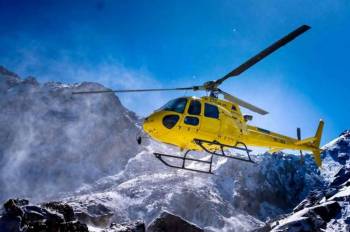
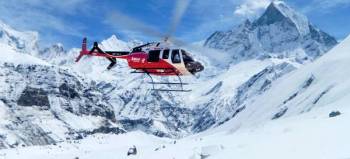
Insurance covering helicopter evacuation at high altitude is mandatory for this trek.
Lukla and Manthali Flight Logistics
Lukla’s Tenzing-Hillary Airport is the primary departure point, though flights sometimes operate from Manthali (Ramechhap) during peak season. Weather delays are normal, not exceptional. Building buffer days into travel plans before international departure is essential.
Plan Your Gokyo Lakes and Everest Base Camp Trek with Wilder Way Trekking
Wilder Way Trekking brings local expertise, 24/7 support, and all-inclusive packages to this iconic route. Our guides know the Khumbu intimately: the best tea houses, the optimal timing for Cho La, and the strategies that make high-altitude trekking safer and more enjoyable.
Lukla, Everest Base Camp Trek and Namche Bazaar Tour Itinerary
More Details about Lukla, Everest Base Camp Trek and Namche Bazaar Tour
Inclusions
- Hotel
- Domestic flights (Kathmandu/Ramechhap – Lukla – Kathmandu/Ramechhap) tickets and departure taxes. If flying from Ramechhap, the cost of road transport from/to Kathmandu is included.
- Total 14 nights (Five nights - Lukla, Phakding, and Namche (3 Nights), rooms with a private attached bathroom. Nine nights - standard room at Tengboche, Dingboche(2 nights), Lobuche, Gorak Shep, Dzongla, Thangnak, Gokyo, and Machhermo
- All meals on a full-board (main course) basis (breakfast, lunch, and dinner / main course) in the trek region
- Experienced government-licensed English-speaking Wilder Way Trekking trek leader (12 or above trekkers: 1 assistant guide) and porter to help trekkers luggage (1 porter for 2 trekkers, 9 kg weight limit per trekker)
- Guides and porters costs, their meals, insurance, salary, lodging, transportation, flight, and necessary equipment
- Water purification tablets for safe drinking water
- Sagarmatha National Park entry permit fee
- Khumbu Pashang Lhamu Rural Municipality fees.
- Snacks (cookies) and seasonal fresh fruits every day
- All government, local taxes, and official expenses
- Rescue operation arrangements in case of health emergencies (funded by travel insurance)
- Souvenir - company's T-shirt & cap
- Wilder Way Trekking’s certificate of appreciation after the successful trek
- Farewell dinner after trek completion
Exclusions
- International flight airfare
- On-arrival visa fees at Tribhuvan International Airport- (15 days - 30 USD, 30 days- 50 USD)
- Excess baggage charges during the trip (Limit is 9 kg per Person)
- All accommodations and meals in Kathmandu, before and after the journey
- Extra night accommodation in Kathmandu due to early arrival, late departure, and early return from trekking.
- Personal expenses (shopping, snacks, boiled/bottled water, hot (tea, coffee) and cold drinks, hot shower, alcohol, Wi-Fi, telephone call, battery re-charge fee), extra porters, etc
- Personal clothing and gear
- Travel insurance, which has to cover emergency high-altitude rescue and evacuation compulsory
- Tips for guides and porters
- Additional costs due to delays beyond our control. For example, landslides, weather conditions, itinerary modifications due to safety concerns, illness, change of government policies, strikes, etc.
- All the costs and expenses that are not listed in - "What is included in the Everest Base Camp - Chola Pass - Gokyo Trek package?" above
Payments Terms
- * 20% Advance Percentage of total booking amount
Cancellation & Refund Policy
- * Upon cancellation, refund will be made after deducting the Retention Amount.
Packages by Theme
Similar Tour Packages for Lukla
-
4 Nights / 5 Days
-
16 Nights / 17 Days
-
14 Nights / 15 Days
-
10 Nights / 11 Days
-
12 Nights / 13 Days
-
9 Nights / 10 Days
-
15 Nights / 16 Days
-
9 Nights / 10 Days
-
13 Nights / 14 Days
-
13 Nights / 14 Days
-
13 Nights / 14 Days